
Representative

Office

in Serbia

Key legal and regulatory aspects of establishing a representative office in Serbia.

Overview

Foreign companies increasingly view Serbia as a strategically positioned jurisdiction offering access to regional markets, competitive operational costs, and a stable regulatory environment. For companies that are not yet prepared to establish a fully operational subsidiary, establishing a local representative structure often represents the most commercially efficient and legally flexible market-entry solution.

Such a structure allows foreign companies to establish an initial business presence, conduct market testing, and develop commercial relationships while maintaining operational and regulatory simplicity. Unlike fully incorporated Serbian companies, this form of presence operates as an extension of the foreign parent entity and serves primarily to support preparatory and auxiliary commercial activities. It enables foreign businesses to evaluate investment opportunities, assess market demand, and build local partnerships without immediately assuming the full compliance burden associated with establishing a Serbian subsidiary.

Representative offices function as separate organizational units of foreign companies performing preparatory activities that support future commercial transactions conducted by the parent company. Although a representative office in Serbia does not possess full legal personality, it remains an effective instrument for coordinating business development activities and facilitating contract negotiations between the foreign parent company and Serbian business partners.

It is important to emphasize that such offices cannot independently generate revenue or engage in direct trading activities. The foreign parent company remains fully responsible for any legal and financial obligations arising from the activities carried out through its Serbian representative presence. Nevertheless, the regulatory and administrative procedures required to establish a representative office in Serbia are generally straightforward and efficient.

This article provides a comprehensive overview of the regulatory framework governing a representative office in Serbia, including key legal requirements, tax implications, compliance obligations, and practical considerations relevant to foreign investors entering the Serbian market.
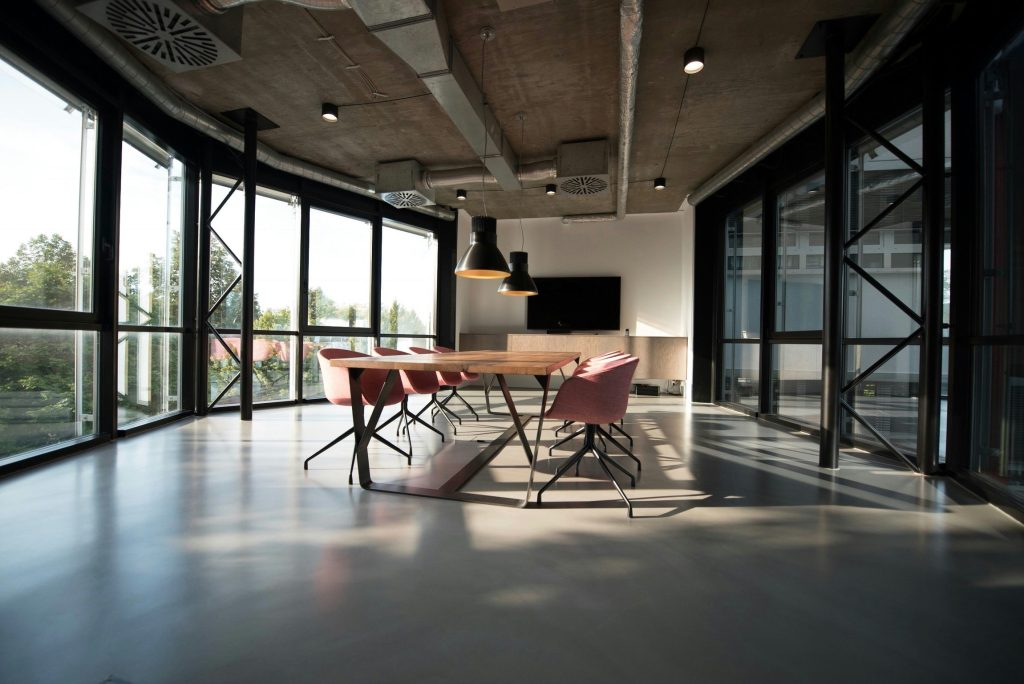
representative office in Serbia

Legal Definition and Scope of a Representative Office in Serbia

The Serbian Companies Act provides the primary legal basis governing the establishment and operation of a representative office in Serbia. The legislation defines a representative office in Serbia as a separate organizational unit of a foreign company established for the purpose of performing preparatory and auxiliary activities that lead to the conclusion of legal transactions by the parent company.

Through this regulatory framework, a representative office in Serbia serves as a functional extension of the foreign parent company’s business operations. It allows the parent entity to maintain a structured commercial presence in Serbia while retaining centralized control over contractual and operational decision-making. In practice, many multinational corporations use a representative office in Serbia as an initial step in their long-term expansion strategy before transitioning into more complex corporate structures, such as subsidiaries or branch offices.

What is a representative office under Serbian law?

Under Serbian legislation, a representative office in Serbia constitutes a legally recognized organizational unit connecting the foreign parent company with local third parties for the purpose of business intermediation and market development. The representative office in Serbia acts as the operational interface between the parent company and potential Serbian clients, suppliers, regulators, and business partners.

The registration of a representative office in Serbia is conducted through the Serbian Business Registers Agency. Upon successful registration, the representative office in Serbia obtains an official registration number and a Tax Identification Number (PIB), which enables the office to perform administrative, employment, and operational activities within the Serbian regulatory framework. While the representative office in Serbia does not have independent legal personality, it is formally recognized as part of the parent company’s corporate structure and may lawfully operate within the scope permitted by Serbian law.

Legal limitations: No legal personality or revenue generation

A representative office in Serbia operates under clearly defined legal limitations. Most notably, a representative office in Serbia does not possess independent legal personality and cannot independently enter into commercial contracts generating revenue or profit. Its legal capacity is strictly limited to activities necessary for maintaining and supporting preparatory business operations.

Additionally, a representative office in Serbia may only conclude transactions directly related to its internal operations, such as leasing office premises, engaging service providers, or maintaining administrative infrastructure. All external contractual obligations and commercial arrangements must be executed by the foreign parent company. Consequently, the parent company bears unlimited liability for all obligations arising from the activities of the representative office in Serbia. This legal structure requires foreign investors to implement robust internal compliance and governance procedures when operating a representative office in Serbia.

Permitted activities: Marketing, research, and intermediation

Despite operational limitations, a representative office in Serbia may perform a wide range of commercially valuable preparatory and support functions. Permitted activities of a representative office in Serbia typically include:

  • conducting detailed market research and industry analysis
  • supporting business development initiatives
  • organizing marketing and promotional campaigns
  • facilitating negotiations with potential Serbian business partners.


Furthermore, a representative office in Serbia may coordinate technical cooperation projects, support contract preparation processes, and assist the foreign parent company in evaluating investment opportunities within Serbia. While the representative office in Serbia cannot directly sell goods or services, it may play a crucial role in structuring and facilitating commercial transactions ultimately executed by the parent company.

Representative offices in Serbia are particularly attractive for companies seeking to test market potential before committing to substantial capital investments or long-term operational commitments. However, Serbian regulations prohibit representative offices from engaging in certain regulated industries, including trade in armaments and military equipment.

Step-by-Step Process to Register a Representative Office

The establishment of a Serbian representative office follows a structured regulatory procedure supervised by the Serbian Business Registers Agency. The registration process for a representative office in Serbia is generally efficient and transparent, with typical completion timelines ranging from five to ten business days following submission of complete documentation.

Resolution by the foreign company's competent body

The establishment of a Serbian representative office begins with the adoption of a formal corporate resolution by the competent governing body of the foreign parent company. This resolution authorizes the creation of the representative office in Serbia and must contain information prescribed by Serbian corporate legislation. The resolution must also comply with the legal requirements of the foreign company’s home jurisdiction and serves as the primary legal foundation for initiating the registration procedure.

Required documents for APR registration

Registration of a Serbian representative office requires submission of specific corporate and supporting documentation to the Serbian Business Registers Agency. These documents generally include an integrated registration application form, the founding corporate resolution, official corporate registry extracts подтверждающие the legal existence of the foreign parent company, confirmation of banking details, and a formal statement by the parent company assuming liability for all obligations of the representative office in Serbia.

All foreign documentation submitted during the registration of a representative office in Serbia must be properly notarized, translated by a certified court interpreter, and, where applicable, legalized through apostille certification. Careful preparation and verification of documentation significantly reduces registration risks and ensures efficient processing by Serbian regulatory authorities.

Opening a bank account and obtaining a Tax ID (PIB)

Upon successful registration, a Serbian representative office must obtain a Tax Identification Number from the Serbian Tax Administration. Although a representative office in Serbia does not operate as a taxpayer for corporate income tax or VAT purposes, obtaining a PIB is necessary for administrative compliance and employment obligations.

Subsequently, the representative office in Serbia must open a local bank account through which operational expenses, including salaries, lease payments, and service provider fees, may be processed. Since a representative office in Serbia cannot generate revenue, operational funding is typically provided directly by the foreign parent company.

Registration of the representative and office address

Each Serbian representative office must appoint an authorized representative responsible for managing local operations and representing the parent company before Serbian authorities. Serbian law does not require complex corporate governance structures for a representative office in Serbia, making this organizational model administratively efficient.

Additionally, a representative office in Serbia must register a physical business address within Serbia. This address constitutes the official seat of the representative office in Serbia and must be used for all regulatory correspondence and official communication.

representative office in Serbia

Taxation and Financial Obligations for Representative Offices

The taxation regime applicable to a Serbian representative office offers significant regulatory and financial advantages for foreign companies conducting preliminary business activities. Proper understanding of the tax treatment of a representative office in Serbia is essential for ensuring compliance and optimizing corporate tax planning strategies.

Corporate income tax exemption for preparatory activities

A Serbian representative office that restricts its operations exclusively to preparatory and auxiliary activities is generally exempt from corporate income taxation. As long as a representative office in Serbia does not generate direct revenue or engage in commercial trading activities, Serbian tax authorities do not require submission of corporate tax returns or financial statements. This favorable tax treatment makes a representative office in Serbia particularly attractive for early-stage market entry strategies.

When a representative office becomes a permanent establishment

A Serbian representative office may be reclassified as a permanent establishment if it begins conducting revenue-generating activities or exercises authority to conclude contracts on behalf of the foreign parent company. Once classified as a permanent establishment, the parent company becomes subject to Serbian corporate income tax obligations, including application of the standard 15% corporate income tax rate. Accordingly, foreign companies operating a representative office in Serbia must carefully monitor operational scope to avoid unintended tax exposure.

VAT implications: End-user status and non-taxpayer classification

Although a representative office in Serbia receives a Tax Identification Number, it is not classified as a VAT taxpayer. Instead, a representative office in Serbia operates as an end-user of goods and services, paying VAT on its purchases but without the ability to issue VAT invoices or recover input VAT. Proper VAT treatment and accounting support remain essential for ensuring compliance with Serbian tax regulations.

Employee taxation and social security contributions

Employees engaged by a foreign company representative office are subject to standard Serbian payroll taxation and social security contribution requirements. A representative office in Serbia must calculate and remit personal income tax, pension contributions, health insurance contributions, and unemployment insurance contributions in accordance with Serbian employment and tax legislation. These obligations apply equally to domestic and foreign employees working for a representative office in Serbia.

Compliance, Termination, and Legal Liabilities

Operating a representative office in Serbia involves ongoing regulatory compliance obligations that extend beyond initial registration. Foreign companies must ensure that their representative office in Serbia maintains accurate regulatory records, complies with corporate reporting requirements, and adheres to applicable transparency regulations.

Ongoing compliance with the Business Registers Agency

A foreign company representative office must maintain updated corporate data with the Serbian Business Registers Agency. Recent regulatory reforms have introduced stricter compliance obligations, including enhanced beneficial ownership transparency requirements. Failure to comply with these requirements may result in administrative penalties and reputational risks affecting the operation of a representative office in Serbia.

Termination process under Article 576 of the Companies Act

A representative office in Serbia may be terminated through adoption of a termination resolution by the foreign parent company or upon termination of the parent entity itself. In certain corporate restructuring scenarios, including mergers or status changes, the legal successor of the parent company may elect to continue operating the representative office in Serbia, subject to regulatory notification procedures.

Liability of the foreign company for third-party obligations

Due to the absence of independent legal personality, a foreign company representative office does not bear separate legal responsibility toward third parties. The foreign parent company remains fully and directly liable for all contractual, financial, and regulatory obligations arising from the activities of its representative office in Serbia. This legal structure underscores the importance of implementing internal governance mechanisms and compliance frameworks.

UBO registration and legal representation requirements

Every representative office in Serbia must register its ultimate beneficial owners in accordance with Serbian transparency legislation. Beneficial ownership information must be periodically verified and updated. Non-compliance may result in significant monetary penalties, regulatory restrictions, and potential operational limitations affecting the representative office in Serbia.

Conclusion

Establishing a foreign company representative office represents a highly effective and strategically flexible entry mechanism for foreign companies seeking to explore and develop business opportunities in the Serbian market. A representative office in Serbia enables companies to conduct market analysis, establish commercial relationships, and prepare investment strategies while maintaining operational simplicity and reduced regulatory exposure.

Foreign investors frequently utilize a representative office in Serbia as a preliminary expansion phase before establishing a subsidiary or branch office. The legal framework governing a representative office in Serbia provides clarity, regulatory stability, and favorable tax treatment for preparatory business activities. At the same time, foreign companies must carefully evaluate liability exposure, compliance obligations, and long-term strategic objectives when selecting this corporate structure.

A properly structured foreign company representative office allows foreign companies to gain valuable market insight, build local business networks, and gradually transition into full commercial operations when market conditions and corporate strategy align.

Need legal support? Get in touch — our team is here to guide you every step of the way. When the law gets complicated, we make things clear — and get things done.

Email:

inquiry@injac.rs

Tel:

+381 11 2458 945

Address:

Makenzijeva 17,

11000 Belgrade - Serbia

Contact Us: