
Crypto Debit Card in Serbia

Spend your crypto proceeds anywhere in the world with a debit card linked to a Serbian non-resident bank account — in a non-CRS jurisdiction with no automatic financial data exchange.

Overview

This page is intended for individual clients holding cryptocurrency who want a practical, everyday spending solution that bridges the gap between digital asset wealth and real-world purchases. It explains how a crypto-funded debit card works through Serbia’s banking and exchange infrastructure, why Serbia’s position as a non-CRS jurisdiction provides a unique privacy advantage, how the card is set up remotely without travelling to Serbia, and what the card can and cannot be used for.

The focus is on a specific, straightforward outcome: a standard bank-issued debit card, linked to a non-resident Serbian bank account, funded by proceeds from selling cryptocurrency through a regulated Serbian exchange. The card works globally on Visa or MasterCard networks, and there is nothing on the card, the statements, or the bank records that identifies the original funds as crypto-derived. Once the crypto is converted to fiat and deposited into the bank account, the debit card functions identically to any other bank card in the world.
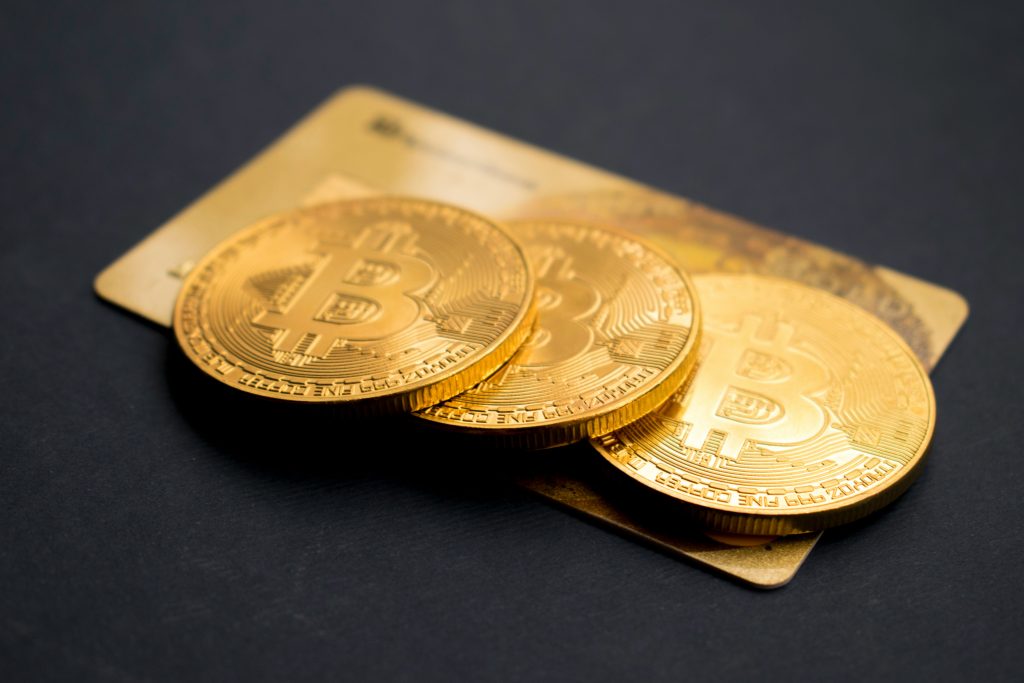
Crypto Debit Card

Crypto Debit Card Through Serbia — Comprehensive Guide

For many cryptocurrency holders, the fundamental daily problem is not investment strategy, tax planning, or source-of-funds structuring — it is simply spending. They hold significant wealth in digital assets but cannot use that wealth to buy groceries, pay rent, book a flight, or dine at a restaurant. The crypto-native solutions available — exchange-issued cards, third-party crypto card providers, and wallet-integrated payment apps — have improved in recent years but remain limited by jurisdiction, compliance requirements, and the inherent volatility of directly spending crypto assets.

Serbia’s crypto debit card solution takes a fundamentally different approach. Instead of trying to spend crypto directly, the client converts cryptocurrency to fiat through a regulated exchange, deposits the fiat into a standard bank account, and uses a standard bank-issued debit card for spending. The crypto conversion happens once (or periodically, as the client needs to top up their account); the spending happens through entirely conventional banking infrastructure. There is no crypto-to-fiat conversion at the point of sale, no exchange rate volatility during the transaction, and no indication to the merchant that the funds originated from cryptocurrency.

This approach is simpler, more reliable, and more private than crypto-native card solutions. And because the bank account is held in Serbia — a jurisdiction outside the OECD Common Reporting Standard — the client benefits from a level of financial privacy that is unavailable through banking and card solutions in CRS-participating countries.

How It Works

The crypto debit card is not a standalone product. It is the natural output of Serbia’s integrated crypto banking infrastructure: a regulated exchange for conversion, a non-resident bank account for holding fiat, and a bank-issued debit card for spending. The setup process follows a clear sequence:

Step 1: KYC/AML Onboarding with the Exchange

The client undergoes formal KYC/AML onboarding with the regulated Serbian crypto exchange. This involves identity verification, source-of-funds documentation, and compliance review. The process is managed by a dedicated crypto personal banker who serves as the client’s single point of contact. The onboarding is conducted entirely remotely — the client does not need to visit Serbia at any stage.

Step 2: Opening a Non-Resident Bank Account

In parallel with exchange onboarding, a non-resident bank account is opened at a licensed Serbian bank. The account opening is conducted remotely via Power of Attorney, managed by Injac Attorneys as the client’s authorised legal representative. The bank account supports multiple currencies (RSD, EUR, USD, CHF, GBP), includes full e-banking and mobile banking access in English, and is integrated with the SEPA payment system for euro transfers and SWIFT for international multi-currency operations.

The bank account is not merely a holding account for card spending — it is a fully functional non-resident bank account with all the capabilities described in our comprehensive guide on Serbia Bank Account for Non-Residents. The debit card is one feature of the account, not the entirety of it.

For detailed guidance on non-resident banking, see: Serbia Bank Account for Non-Residents.

Step 3: Crypto Conversion

The client transfers cryptocurrency (BTC, ETH, USDT, or other supported digital assets) to the exchange. The exchange converts the crypto to Serbian dinars at the agreed rate and deposits the proceeds directly into the client’s non-resident bank account. The conversion is conducted on an OTC basis with the crypto personal banker managing execution. Full transaction documentation is provided for the client’s records.

The amount converted is determined by the client’s anticipated spending needs. There is no requirement to convert all crypto holdings at once. Clients can make an initial conversion to fund the account and card, and then make additional conversions periodically as needed to top up the balance. Each conversion follows the same compliant process through the regulated exchange.

Step 4: Debit Card Issuance

Once the bank account is active and funded, a debit card is issued by the Serbian bank and linked to the account. The card operates on Visa or MasterCard networks (depending on the issuing bank) and is accepted globally at any merchant, ATM, or online platform that accepts these networks. The card can be physical (mailed to the client’s address) or virtual (available immediately through the bank’s mobile app for online purchases and digital wallet integration).

The card is issued in the client’s name and functions identically to any other bank-issued debit card. There is no crypto branding, no exchange logo, and no indication that the underlying funds originated from cryptocurrency. Transactions appear on the bank statement as standard debit card purchases, with the merchant name, location, and amount — exactly as they would for any conventional bank card.

Step 5: Global Spending

With the card active and the account funded, the client can use the card for everyday purchases worldwide: retail shopping, online purchases, hotel bookings, restaurant payments, subscription services, ATM cash withdrawals, fuel purchases, transportation, and any other merchant that accepts Visa or MasterCard. The card draws from the fiat balance in the Serbian bank account. Currency conversion (from RSD to the local currency of the purchase) is handled automatically by the card network at prevailing exchange rates.

For clients who primarily transact in euros, the bank account can hold a EUR sub-account, and the card can be configured to draw from the euro balance when making purchases in the Eurozone — avoiding currency conversion fees entirely. Similarly, USD sub-accounts are available for dollar-denominated spending.

Step 6: Top-Up and Ongoing Use

When the account balance decreases, the client simply repeats the crypto conversion process: transfer crypto to the exchange, convert to fiat, and the proceeds are deposited into the bank account. The card balance is automatically replenished. The dedicated crypto personal banker manages each conversion, and the process becomes increasingly streamlined after the initial onboarding.

There is no limit on the number of conversions or top-ups. The card and account can be used indefinitely, with periodic top-ups funded by crypto conversions as the client requires.

The Non-CRS Advantage

The single most significant feature of the Serbian crypto debit card — and the reason many clients specifically choose Serbia over other jurisdictions — is the privacy protection afforded by Serbia’s non-participation in the Common Reporting Standard.

What CRS Means in Practice

Under the CRS framework, financial institutions in participating countries are required to identify account holders who are tax residents of other participating countries and automatically report their financial data — including account balances, interest, dividends, and other income — to the account holder’s home country’s tax authority. As of 2026, over 100 jurisdictions participate in CRS, including all EU member states, the United Kingdom, Switzerland, the UAE, Singapore, Australia, and most other major financial centres.

For clients who hold bank accounts and debit cards in CRS-participating countries, every account balance and every financial transaction is automatically visible to their home country’s tax authority. There is no request, no investigation, and no notification — the data is exchanged routinely, systematically, and comprehensively.

What Non-CRS Means for Serbian Card Holders

Serbia does not participate in CRS. Serbian financial institutions are not required to automatically report account holder data, balances, or transaction information to foreign tax authorities. In practical terms, this means that the client’s Serbian bank account and debit card activity are not included in the CRS automatic exchange mechanism. Financial data is disclosed only in response to specific, legally valid requests submitted through international legal assistance channels or bilateral treaty mechanisms.

For a client using a Serbian crypto-funded debit card for everyday spending, this means that their spending activity, account balances, and crypto conversion history are not routinely transmitted to their home country’s tax authority. The client retains financial privacy within a lawful, regulated framework.

Privacy, Not Evasion

It is essential to emphasise the distinction between privacy and evasion. Serbia’s non-CRS status does not eliminate the client’s tax obligations. Clients remain fully responsible for reporting income, capital gains, financial accounts, and any other required information in their home jurisdictions in accordance with local law. Many countries require their tax residents to disclose foreign bank accounts regardless of CRS — for example, the US requires FBAR and FATCA reporting, and many EU countries require foreign account disclosure on annual tax returns.

What Serbia provides is not a mechanism for avoiding these obligations. It provides a banking environment where the default is privacy rather than automatic disclosure. The client decides what to report and when, in accordance with their legal obligations — rather than having their complete financial data automatically transmitted to a foreign authority without their knowledge or control.

For a detailed analysis of how CRS non-participation and FATCA compliance interact for different client profiles, see our dedicated guide on Serbia Banking Privacy: CRS, FATCA, and What It Means for Non-Residents.

Want a debit card funded by your crypto holdings?

Our team manages the entire setup: exchange onboarding, bank account opening, crypto conversion, and card issuance — all remotely, without the need to travel to Serbia.

Who This Is For

The crypto debit card through Serbia is relevant for individual clients with specific profiles and needs:

Digital Nomads and Location-Independent Professionals

Individuals who work and travel across multiple countries, hold significant crypto wealth, and need a reliable spending card that is not tied to a single country of residence. The Serbian card provides a stable banking and spending base that functions globally, regardless of where the client is currently located. Because the bank account and card are set up remotely and managed through e-banking, there is no need to maintain a physical presence in Serbia.

Digital nomads frequently face banking instability — accounts closed when they leave a country, cards blocked when used in a new jurisdiction, and compliance reviews triggered by unusual transaction patterns. A Serbian non-resident account provides continuity: the account remains open and functional regardless of the client’s travel patterns, and the debit card works in every country the client visits.

High-Net-Worth Individuals with Crypto Exposure

Clients holding substantial cryptocurrency positions who want everyday spending capability without maintaining complex multi-exchange, multi-wallet arrangements. Instead of managing multiple crypto cards, each with its own limitations, compliance requirements, and conversion fees, the client uses a single, standard bank card funded periodically from their crypto holdings through a regulated exchange.

For HNW clients, the Serbian card also provides a layer of financial discretion. Spending activity is not associated with a crypto exchange or card provider — it appears as standard banking activity on a standard bank card. For clients who value privacy in their financial affairs, this is a meaningful advantage.

Clients Unable to Obtain Banking Services Elsewhere

Individuals who have been denied bank accounts or payment cards in their home jurisdictions or in other countries due to the crypto origin of their funds. This is a more common problem than most people realise: many banks refuse to open accounts for clients whose source of funds is cryptocurrency, even when the crypto was acquired and held entirely lawfully. The Serbian banking system does not apply this blanket exclusion. If the client’s documentation is complete and AML/KYC requirements are met, the account is opened and the card is issued — regardless of the crypto origin of the funds.

Clients Seeking Financial Privacy Within a Legal Framework

Individuals who are fully compliant with their tax and reporting obligations but who prefer that their banking and spending activity not be automatically and routinely shared with foreign tax authorities. Serbia’s non-CRS status provides this privacy within a regulated, lawful environment. The client retains control over their financial data while meeting all applicable legal obligations in their home jurisdiction.

Expatriates and International Entrepreneurs

Individuals living or operating in countries with limited banking infrastructure, unstable local currencies, or restricted access to international payment networks. A Serbian bank account with a Visa/MasterCard debit card provides global spending capability denominated in stable currencies (EUR, USD), independent of the local banking environment. For expatriates in the Middle East, Africa, Central Asia, and parts of South-East Asia, this can serve as both a spending tool and a savings vehicle.

Crypto Debit Card vs Crypto-Native Card Solutions

Clients considering a crypto debit card often compare the Serbian solution with crypto-native card products offered by exchanges and fintech providers. Understanding the differences helps clarify which solution is appropriate:

Crypto-Native Cards (Binance Card, Crypto.com, etc.)

  • Spend crypto directly or from an exchange balance
  • Crypto-to-fiat conversion happens at the point of sale
  • Subject to the exchange’s compliance policies, jurisdiction restrictions, and availability
  • Account and card are linked to the exchange — if the exchange blocks the account, the card is lost
  • CRS reporting applies if the exchange is in a CRS jurisdiction
  • Limited availability in many countries; frequent regulatory changes affect card availability
  • Crypto branding on the card and statements may raise questions with merchants or compliance reviews

Serbian Bank-Issued Debit Card

  • Spend from a standard bank account funded by crypto proceeds
  • Crypto conversion happens once (at the exchange), not at the point of sale
  • Account and card are with a licensed Serbian bank — independent of any exchange
  • Non-CRS jurisdiction: no automatic financial data reporting
  • Standard Visa/MasterCard with no crypto branding or association
  • The bank account provides full banking functionality beyond just spending: SEPA/SWIFT transfers, savings, multi-currency support
  • Card availability is not affected by crypto regulatory changes in other jurisdictions

The core distinction is independence and permanence. Crypto-native cards are tied to exchanges that operate in a rapidly evolving regulatory environment. Regulatory changes, compliance decisions, or exchange-specific issues can disable the card overnight. A Serbian bank account and debit card are independent of any exchange. The bank relationship persists regardless of what happens in the crypto industry, and the card functions on established international payment networks that are not subject to crypto-specific regulations.

Practical Considerations

Fees and Costs

The Serbian bank account carries standard banking fees: monthly account maintenance (typically 2–10 EUR depending on the bank and package), card issuance fee (varies by bank, often free with premium packages), ATM withdrawal fees (free at the issuing bank’s ATMs; standard international ATM fees apply elsewhere), and currency conversion fees for purchases in currencies other than the account’s base currency (typically 1–3% depending on the card network and bank).

The crypto conversion through the exchange carries its own fee structure, which is agreed with the crypto personal banker based on the client’s transaction volumes and profile. Overall, the combined cost of conversion and banking is competitive with crypto-native card solutions, particularly for larger balances and higher spending volumes.

Card Limits

Debit card spending and withdrawal limits are set by the issuing bank and depend on the account type and the client’s profile. Standard non-resident accounts typically have daily ATM withdrawal limits of 500–1,000 EUR equivalent and daily POS spending limits of 2,000–5,000 EUR equivalent. Higher limits may be available for premium account packages or upon request. E-banking and card management apps allow the client to view and, in some cases, adjust limits remotely.

Currency Handling

The bank account supports multiple currency sub-accounts (RSD, EUR, USD, CHF, GBP). When the debit card is used for a purchase in a currency that matches one of the account’s sub-accounts, the transaction is settled directly from that sub-account without conversion. For purchases in other currencies, the card network (Visa/MasterCard) applies its standard conversion rate at the time of the transaction.

For clients who primarily spend in euros, maintaining a EUR sub-account and funding it through euro-denominated SEPA transfers or direct EUR conversion at the exchange eliminates currency conversion fees for Eurozone purchases.

E-Banking and Card Management

The Serbian bank provides a full e-banking platform and mobile app, typically with English-language support. Through these platforms, the client can view account balances and transaction history in real time, manage card settings (activate/deactivate, set limits, block if lost), initiate domestic and international transfers (SEPA/SWIFT), manage multi-currency sub-accounts, and download statements for accounting and tax reporting purposes.

For clients who value remote management — which, given the target profile of digital nomads and international entrepreneurs, is essentially all clients — the digital banking infrastructure is a critical component of the service.

Ready to start spending your crypto?

The setup takes days, not weeks. Our team handles everything remotely: exchange onboarding, bank account opening, crypto conversion, and card issuance. You receive a globally accepted debit card funded by your crypto — without ever visiting Serbia.

FATCA Considerations for US Persons

While Serbia does not participate in CRS, it does comply with FATCA through a bilateral agreement with the United States. This means that US citizens, US green card holders, and other US persons are subject to FATCA reporting by the Serbian bank. The bank will report account information of US persons to the IRS, regardless of the non-CRS status.

For US clients, the crypto debit card through Serbia provides all the operational advantages described above (standard bank card, global spending, crypto-funded) but does not provide privacy from US tax authorities. US clients are advised to consult with qualified US tax advisors regarding their FBAR, FATCA, and foreign account reporting obligations.

For detailed guidance for US clients, see: Serbia Bank Account for US Citizens.

The Debit Card as Part of a Broader Strategy

For many clients, the debit card is not the sole objective of their engagement with Serbia’s crypto banking infrastructure — it is one component of a broader financial strategy. Common combinations include:

  • Card + Real estate — Debit card for daily spending combined with real estate investment for long-term source-of-funds restructuring. The client converts a portion of their crypto to fund the card and invests the remainder in Serbian property.
  • Card + Securities — Debit card for spending combined with securities for wealth preservation and portability. T-Bills provide a stable store of value, while the card provides liquidity for everyday needs.
  • Card + Stablecoin payments — Debit card for personal spending combined with stablecoin procurement for business payments. Entrepreneurs who hold crypto both personally and through a company can address both needs through the same Serbian infrastructure.
  • Card + Residence permit — The non-resident bank account underlying the debit card can also serve as the basis for a Serbian residence permit application, creating a comprehensive jurisdictional footprint.


The regulated exchange, the bank account, and the legal infrastructure support all of these combinations through a single integrated engagement with Injac Attorneys.

For a complete overview of all services, see: Crypto Banking in Serbia.

Strategic Assessment

The crypto debit card through Serbia is the most immediate and practical outcome available within the crypto banking framework. While real estate and securities serve long-term strategic objectives — source-of-funds restructuring, wealth diversification, and portfolio building — the debit card solves the most basic and most urgent problem that many crypto holders face: spending their wealth in the real world.

Serbia’s combination of a regulated crypto exchange, accessible non-resident banking, global card network acceptance, and non-CRS privacy protection creates a spending solution that is unavailable through any other single jurisdiction in Europe. The card is standard, the banking is standard, and the spending experience is standard — but the privacy, the regulatory environment, and the crypto access point are distinctly Serbian advantages.

For digital nomads, international entrepreneurs, and high-net-worth individuals who hold crypto and want to spend it freely, privately, and compliantly — the Serbian crypto debit card is the simplest and most effective solution available.

Non-CRS

No automatic reporting.

Global Spending

Visa/MasterCard worldwide.

100% Remote

Setup via Power of Attorney.

Standard Banking

No crypto branding.

Need legal support? Get in touch — our team is here to guide you every step of the way. When the law gets complicated, we make things clear — and get things done.

Email:

inquiry@injac.rs

Tel:

+381 11 2458 945

Address:

Makenzijeva 17,

11000 Belgrade - Serbia

Contact Us: