The Government of the Republic of Serbia has launched the legislative process for the adoption of the Draft Law on the Deployment of Alternative Fuels Infrastructure, marking another significant step in aligning Serbia’s transport and energy sectors with the European Union’s Green Agenda and sustainability objectives.
The proposed legislation transposes key provisions of Regulation (EU) 2023/1804 on the deployment of alternative fuels infrastructure (AFIR), which has become the cornerstone of the EU regulatory framework supporting the transition toward low-emission and zero-emission mobility.
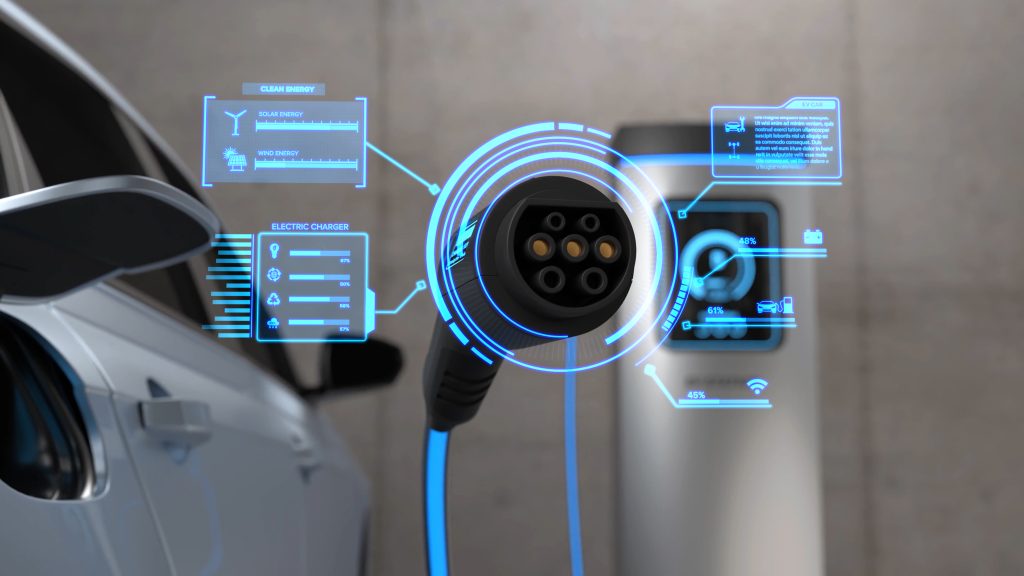
The draft law aims to establish a comprehensive legal framework for the development of publicly accessible charging and refueling infrastructure for alternative fuels across road, rail, waterborne, and air transport. In addition, it introduces technical standards, interoperability requirements, data-sharing obligations, and user information rules intended to facilitate a seamless transition to cleaner transportation technologies.
For manufacturers of electric vehicles, charging infrastructure operators, energy companies, investors, and logistics providers, the proposed legislation signals a clear policy direction. Serbia is preparing the regulatory foundations necessary to support the large-scale deployment of electric mobility and other alternative fuel technologies, while simultaneously encouraging private sector participation in infrastructure development.
Among the key objectives of the draft law are:
- expansion of publicly accessible charging and refueling networks;
- establishment of interoperable and user-friendly infrastructure systems;
- introduction of national planning mechanisms for alternative fuel deployment;
- creation of financial support programs and investment incentives;
- gradual increase in the share of alternatively powered vehicles in Serbia’s vehicle fleet; and
- reduction of greenhouse gas emissions and transport-related environmental impacts.
From a business perspective, the proposed framework may create significant opportunities for companies involved in electric vehicles, battery technologies, charging solutions, renewable energy integration, smart mobility systems, and related supply chains.
The adoption of the law is particularly relevant for international manufacturers and investors seeking long-term regulatory certainty in Serbia’s rapidly developing e-mobility market. As Serbia continues to harmonize its legislation with EU standards, the deployment of charging infrastructure and alternative fuel networks is expected to become an increasingly important component of future transport and energy investments.
Companies operating in the automotive, energy, infrastructure, and technology sectors should closely monitor the legislative process and assess potential compliance requirements, partnership opportunities, and investment implications arising from the forthcoming regulatory framework.
Injac Attorneys continues to monitor legislative developments in the areas of energy transition, sustainable mobility, infrastructure investments, and regulatory compliance, and remains available to support clients in evaluating the legal and commercial implications of these changes.
The information contained in this document does not constitute legal advice on any specific matter and is provided solely for general informational purposes.
