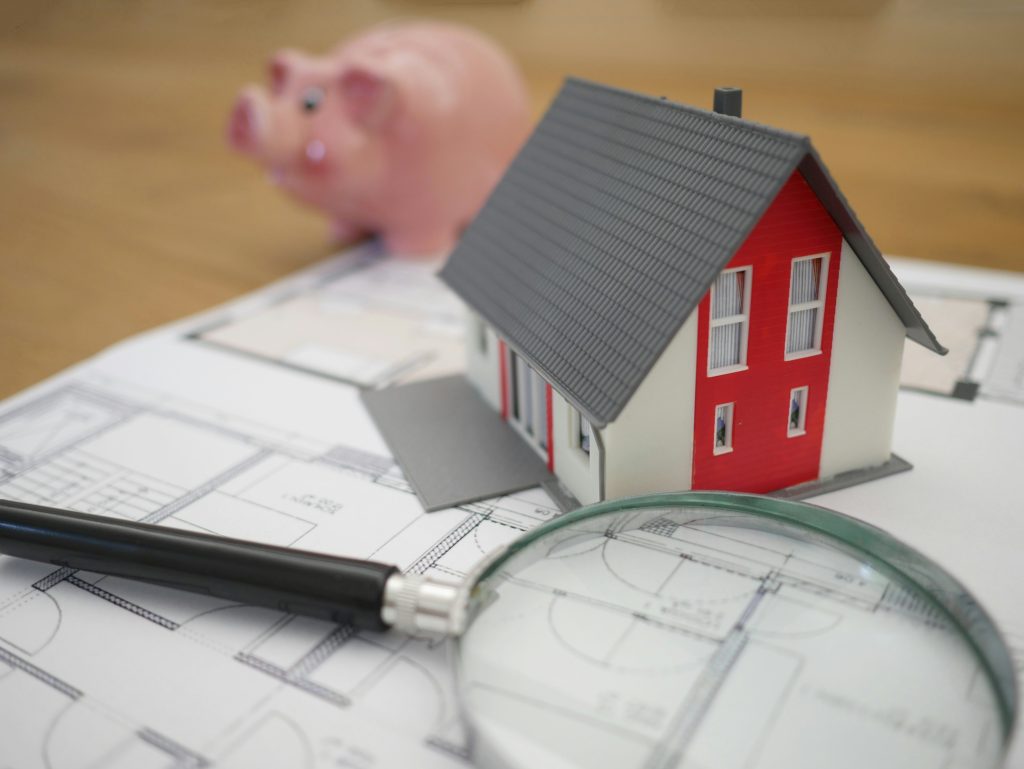
This page is intended for foreign individuals and companies considering the acquisition of real estate in Serbia — whether residential property for personal use, commercial property for business operations, investment property for rental income, or land for development. It explains who can buy property in Serbia, what restrictions apply, what legal due diligence is required, how the purchase process works, what taxes and costs are involved, and how corporate structures can be used to optimise ownership and overcome restrictions on foreign buyers.
Serbia’s real estate market has attracted growing international interest in recent years, driven by competitive pricing relative to Western European markets, rental yields of 6–9% in Belgrade and Novi Sad, the pathway from property ownership to Serbian residence permits, and the country’s improving economic fundamentals and EU candidacy trajectory. Average prices in Belgrade range from approximately EUR 2,000–4,000 per square metre depending on location and property type, with Novi Sad typically 15–25% lower.
For foreign buyers, the most important takeaway from this guide is that real estate transactions in Serbia require careful legal due diligence. Serbia has a history of informal construction, unregistered properties, disputed ownership chains, and cadastre records that do not match reality on the ground. Buying property based on what a real estate agent or developer says — without independent legal verification of what the official cadastre shows — is the single most common and most costly mistake foreign buyers make. The role of a lawyer in a Serbian property transaction is not ceremonial. It is essential.